Technological advances were largely responsible for the development of civil construction, a crucial sector for the economic growth of any nation. Despite this, such development could not be achieved without certain drawbacks, the environmental impact being the biggest one.
É por isso que o conceito de arquitetura verde tem ganhado tanta força desde o final do século XX, estabelecendo diretrizes mundiais para a construção de projetos mais sustentáveis e ambientalmente amigáveis.
If you are curious about green architecture and would like to know more about it, be sure to check out this article that we have prepared!
What is green architecture?
Green architecture, or sustainable architecture, is characterized by civil construction projects that prioritize the optimization of natural resources. Its main objective is to minimize the environmental impact of such constructions and offer a better quality of life for all those who will use the space.
Dentre os cuidados tomados em projetos de sustainable architecture, podemos destacar o uso inteligente de recursos naturais – como a luz do sol, por exemplo –, utilização de fontes de energia sustentáveis, uso de materiais ecologicamente corretos ou reciclados e o posicionamento do imóvel, levando em consideração o seu impacto no local.
Conheça também sobre a arquitetura paisagística
What are the characteristics of green architecture?
Green architecture, like other aspects of the pro-sustainability movement, is based on simple principles that can make all the difference.
One of the concepts that govern this type of architecture are the 3 Rs: reduce, reuse and recycle. This can be observed in several aspects of sustainable architecture projects.
The reduction can be observed, for example, in the intelligent use of materials, or even in the reduction of the environmental impact caused by the use of ecological raw materials.
Reuse, on the other hand, can be seen in the reuse of materials and resources, with the implementation of adapted hydraulic systems, for example. Finally, these projects also use recycled and sustainably sourced materials, boosting the local economy.
It is important to remember that green architecture aims to raise the population's awareness of the importance of caring for nature, showing that economic growth through civil construction does not need to be linked to the improper exploitation of natural resources.
Is green architecture a reality in Brazil?

In 2013, Brazil was in 4th place in the world ranking of countries with the highest concentration of sustainable buildings. Despite this, there are still no solid standards for the certification of sustainable products and projects in the country – except for certified wood.
This is progress, but green architecture can go much further. Although it is not currently the norm in Brazil, one can observe an awareness movement regarding the use of recyclable materials and other care related to sustainability.
The application of green architecture in projects
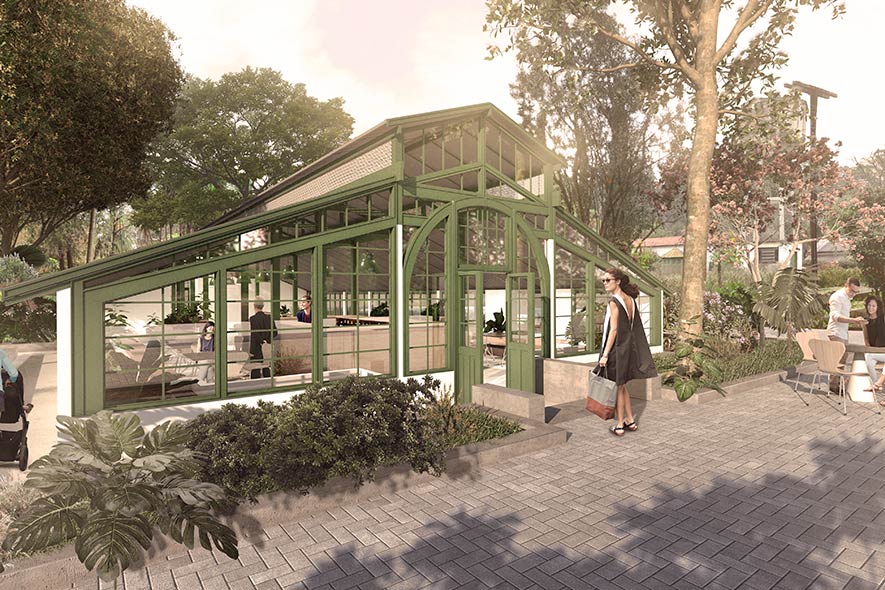
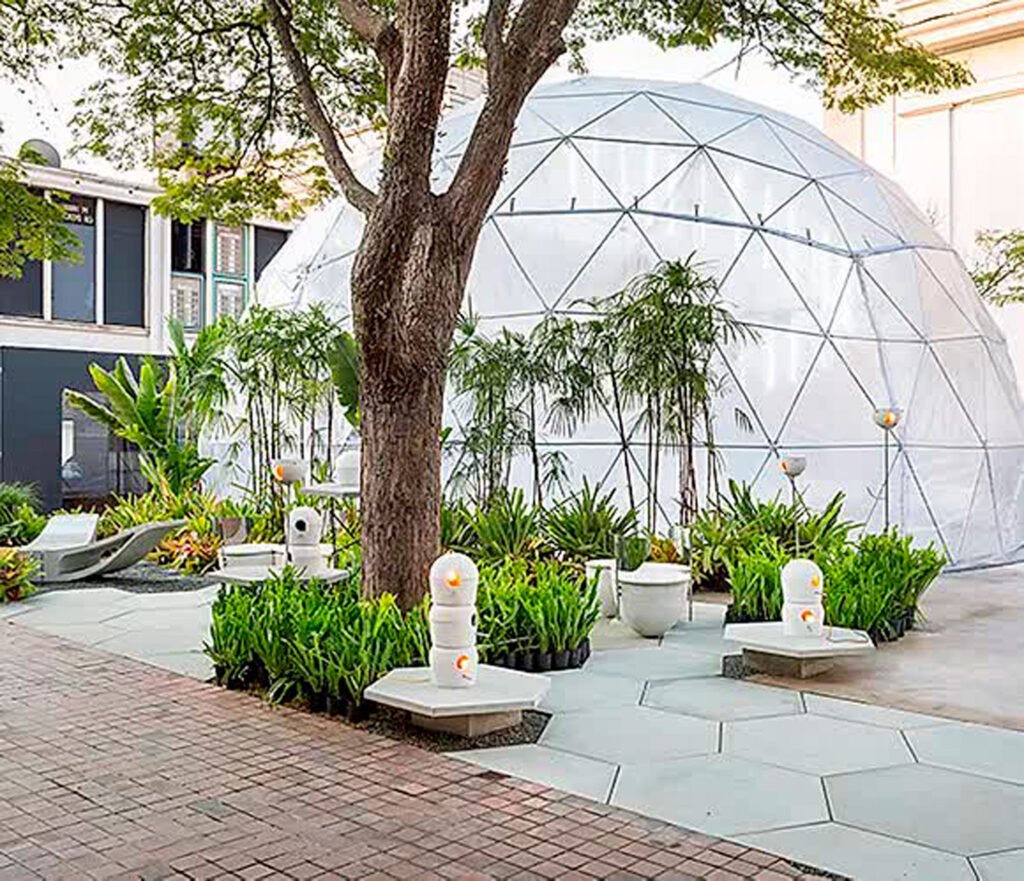
Sustainable projects that use green architecture can be seen around the world. Although they are extremely varied in physical characteristics, there are some commonalities in most of them:
Ventilation systems and natural lighting: constructions of this type take into account the position of the winds and the sun to maximize ventilation and lighting in the best way, helping to save electricity.
Use of alternative energy sources: even when green buildings use electrical energy, it must come from renewable and alternative sources, such as photovoltaic solar energy, for example.
Recycling of construction debris: the environmental impact of civil construction extends beyond the delivery of the building. That's why sustainable projects include the recycling of all waste from construction, minimizing the environmental impact and promoting the local market.
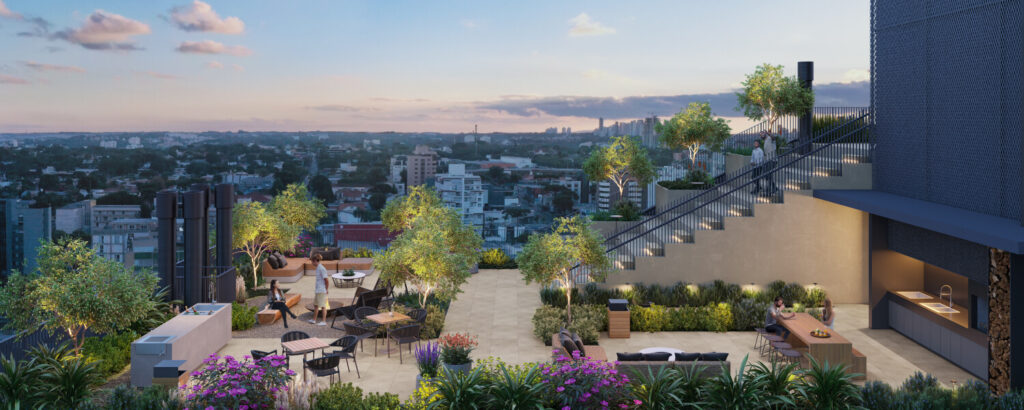
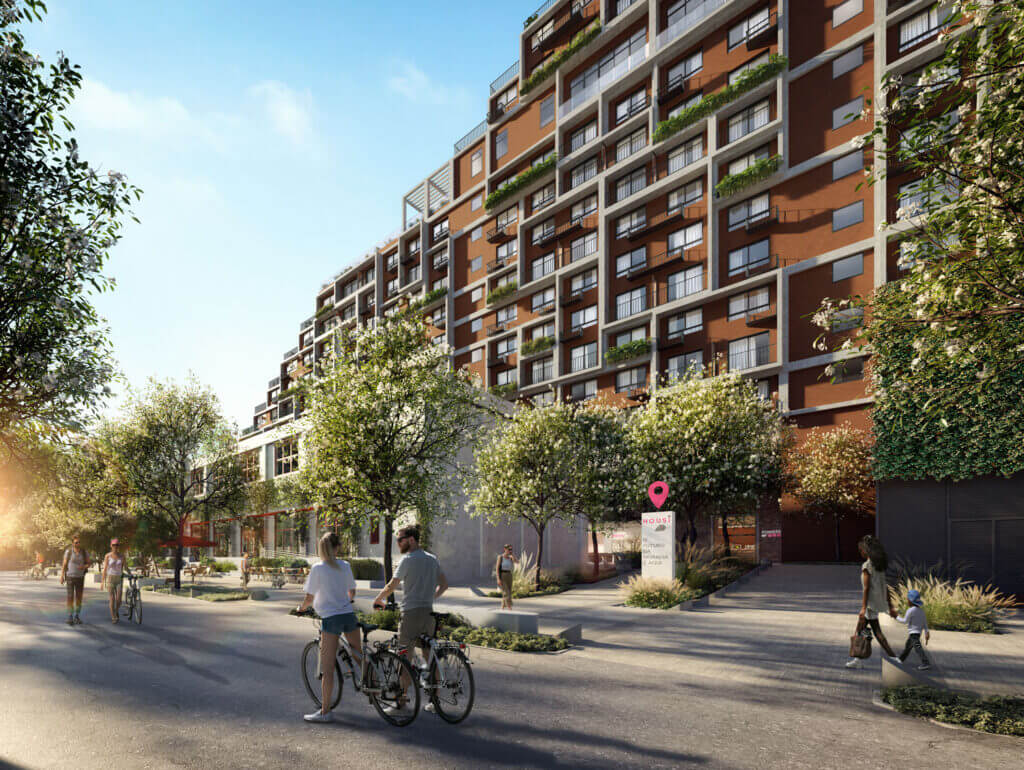
Green roofs and vertical gardens: the green roof helps to lower the internal temperature of the environments, reducing the demand for refrigeration equipment. It is important that all landscaping is done with native vegetation.
Quais são os benefícios da arquitetura verde para o meio ambiente e para as pessoas?
A arquitetura verde não é apenas uma tendência estética ou tecnológica, ela traz benefícios concretos tanto para o meio ambiente quanto para a qualidade de vida das pessoas. Conheça as principais vantagens:
Benefícios para o meio ambiente
- Redução da emissão de carbono: construções sustentáveis utilizam menos energia de fontes não renováveis, ajudando a diminuir a pegada de carbono.
- Menor geração de resíduos: com o reuso de materiais e práticas de reciclagem, há uma drástica redução nos entulhos e no impacto ambiental das obras.
- Preservação dos recursos naturais: projetos verdes priorizam o uso consciente da água, energia e matérias-primas, favorecendo o equilíbrio ecológico.
- Aumento das áreas verdes urbanas: com telhados verdes e jardins verticais, as cidades ganham mais vegetação e biodiversidade.
Benefícios para as pessoas
- Melhor conforto térmico e acústico: o uso de materiais ecológicos e o posicionamento estratégico das construções proporcionam ambientes mais agradáveis e silenciosos.
- Economia a longo prazo: ao reduzir o consumo de energia e água, os custos de manutenção também diminuem, tornando o investimento sustentável também financeiramente vantajoso.
- Mais saúde e bem-estar: espaços com maior contato com a natureza, ventilação cruzada e iluminação natural promovem mais saúde física e mental para os ocupantes.
- Valorização do imóvel: imóveis sustentáveis têm maior aceitação no mercado, especialmente entre consumidores conscientes e empresas com metas ESG.
Aplicar a arquitetura verde é, portanto, uma forma inteligente de construir pensando no presente e no futuro das pessoas e do planeta.
Want to know more about sustainable projects? Visit the Plantar Ideias website
Somos uma empresa especializada em projetos únicos e sustentáveis, equilibrando habilidades técnicas e criatividade para criar light environments, pleasant and genuinely Brazilian. Visit our website and meet some of our sustainable projects.
Check also: O que são espaços de convivência | Estudo de viabilidade de projeto